Preparing for Your First Fight Is a Mental Game
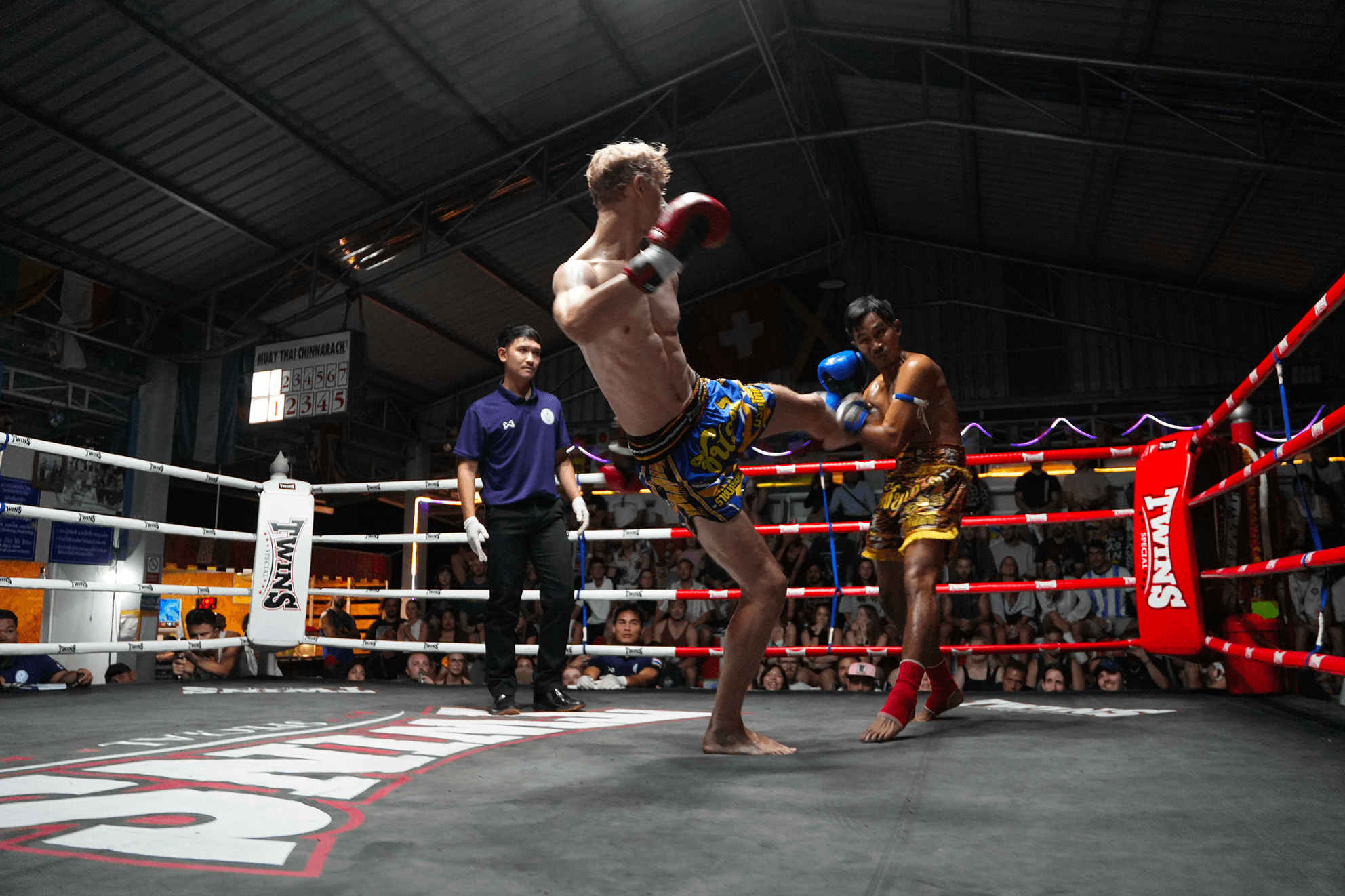
For most people, the hardest part of preparing for a Muay Thai fight isn't the physical training. Long before you climb through the ropes, you'll find yourself facing a much tougher opponent—your own mind. The weeks leading up to your first fight can be an emotional rollercoaster. One day you'll leave the gym feeling sharp and confident, convinced you're ready for whatever awaits you. The next, a difficult sparring session or a few missed combinations can leave you questioning everything. You may wonder whether you've trained enough, whether you're good enough, or even whether agreeing to fight was the right decision. These thoughts are far more common than you might think. Speak to almost any experienced fighter and they'll admit that the nerves never completely disappear. The difference is that they've learned to recognise those feelings for what they are: a natural part of preparing to do something that genuinely matters.
Everyone Feels Nervous
One of the biggest surprises for first-time fighters is the intensity of the nerves they experience before the fight. It's common to struggle with sleep, lose your appetite, or find yourself constantly thinking about the upcoming bout. Your imagination can quickly become your worst enemy, replaying every possible scenario and usually focusing on the ones you'd rather avoid. It is easy to mistake these feelings for a lack of confidence, but in reality they are simply your body's way of preparing for competition. Adrenaline begins building long before fight night, sharpening your focus and making you more aware of everything around you. Rather than trying to eliminate those nerves, it's better to accept them. Feeling nervous doesn't mean you're unprepared—it simply means you care about the outcome.
Stop Trying to Predict the Fight
As fight day approaches, many beginners become consumed by "what if" questions. What if I freeze? What if I gas out? What if my opponent is much better than me? The truth is that no amount of worrying will provide the answers. Every fight develops in its own unique way, and even the most experienced trainers can't predict exactly what will happen once the opening bell rings. Instead of trying to control the unknown, focus your attention on the things that are within your control. Turning up to every training session, listening to your coaches, eating well, recovering properly and staying consistent will do far more for your confidence than endlessly imagining different outcomes. Your preparation is something you can influence every single day. The final result is not.
Trust the Training
As the fight gets closer, there is often a temptation to do more. Extra runs, extra pad rounds, extra conditioning sessions—it can feel as though one more workout will somehow make all the difference. In reality, your fitness and skill have been built over weeks and months of consistent effort. By the time fight week arrives, the foundation is already there. Trying to cram in additional training often leads to unnecessary fatigue or injury rather than improved performance. Every early morning run, every difficult sparring session, every sore muscle and every moment when you chose to keep going instead of giving up has prepared you for this moment. Fight week is not the time to question your preparation. It is the time to trust it.
Your Goal Isn't to Be Perfect
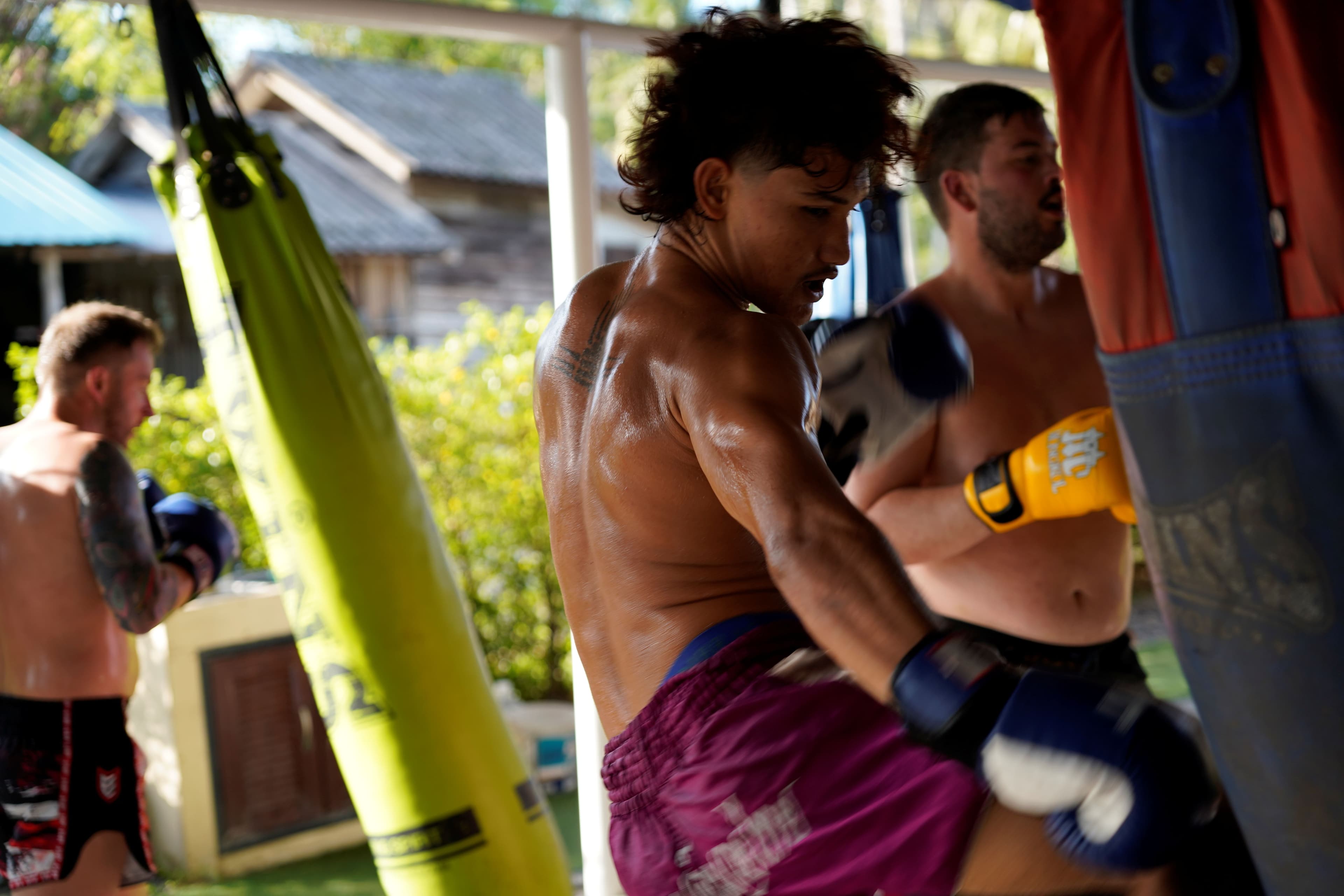
Many first-time fighters place enormous pressure on themselves because they imagine they need to perform flawlessly. They picture themselves throwing perfect combinations, defending every strike and making all the right decisions under pressure. The reality is that fighting is unpredictable. Even the greatest champions make mistakes. They miss punches, get caught by unexpected shots and sometimes abandon their game plan completely. Success in your first fight isn't about perfection. It's about remaining composed when things don't go exactly as you hoped. The ability to recover from mistakes, listen to your corner and continue working is often what separates a good performance from a disappointing one.
Focus on Small Wins
Looking at the fight as one big event can make it feel overwhelming. Instead, it helps to think about it as a series of smaller moments, each one deserving your full attention. Walking confidently to the ring, taking a deep breath before the opening bell, listening carefully to your coach between rounds and staying relaxed under pressure are all victories in themselves. As those small moments begin to fall into place, your confidence naturally grows, allowing you to focus on the next task rather than becoming overwhelmed by the bigger picture.
Visualise Success
Mental preparation is a powerful tool used by athletes at every level of competition. Spending a few minutes each day visualising yourself walking into the stadium, climbing into the ring and performing with confidence can help reduce anxiety when those moments arrive for real. Imagine yourself staying calm under pressure, listening to your corner and executing the techniques you've practised countless times in the gym. The more familiar these moments become in your imagination, the more natural they often feel when you experience them on fight night.
Remember Why You Started
Whenever self-doubt begins to creep in, take a moment to remember why you wanted to fight in the first place. Perhaps you wanted to challenge yourself, test your skills or simply experience authentic Muay Thai competition. Whatever your reason, it probably wasn't because you expected the journey to be easy. Stepping into the ring is something very few people are willing to do. It requires commitment, discipline and courage. Winning is, of course, a wonderful feeling, but your willingness to face a challenge that genuinely scares you is an achievement in itself.
Conclusion
Preparing for your first Muay Thai fight is about much more than developing fitness and technique. It is about learning to manage uncertainty, accepting that nerves are part of the process and trusting the work you've already put into your preparation. Courage isn't the absence of fear. It's the decision to move forward despite it. No matter what happens when the bell rings, your first fight will change you. You'll leave the ring not only as a better fighter, but with a deeper confidence that comes from doing something most people only ever imagine themselves doing.