Muay Thai Sparring: How to Spar With Purpose
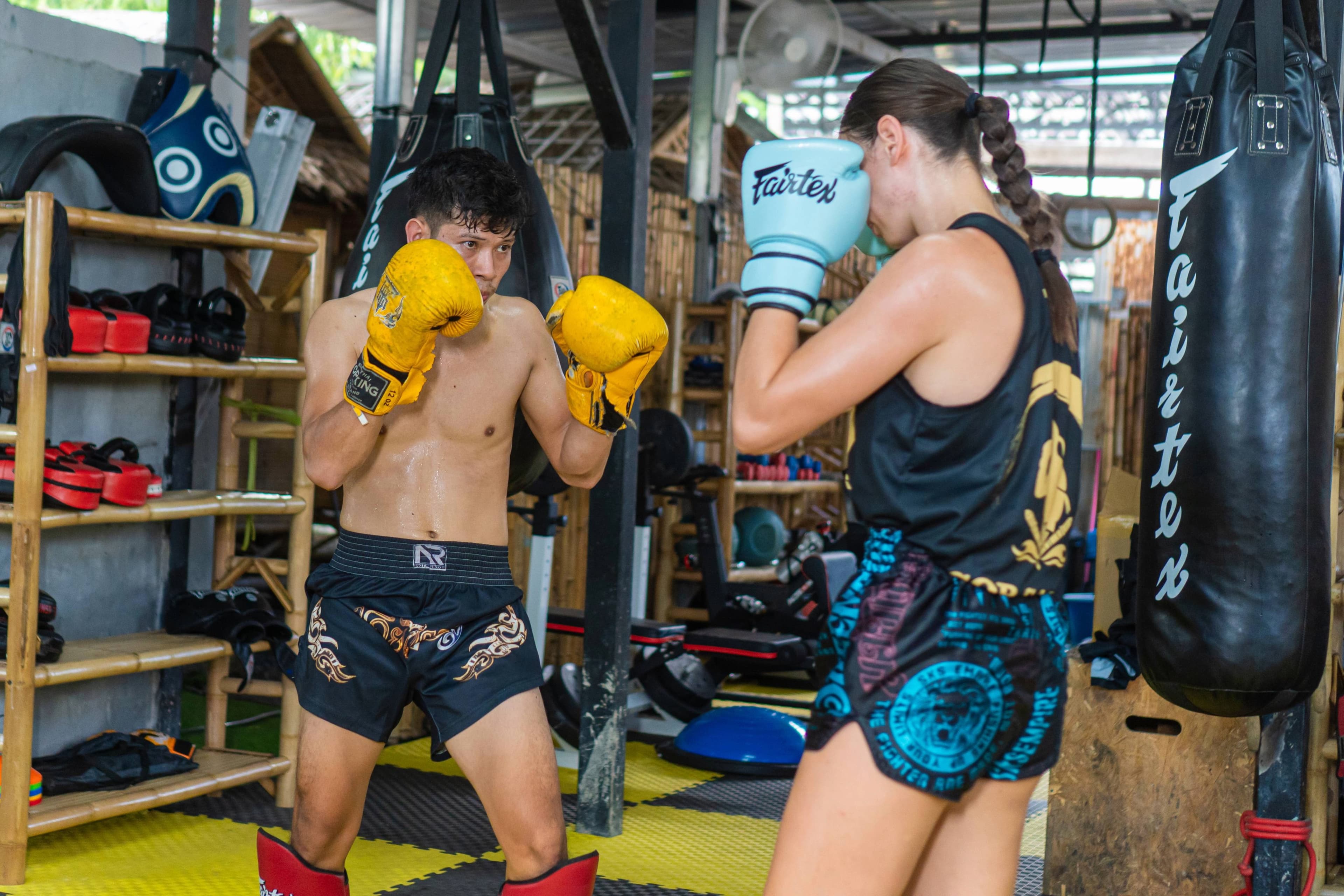
Sparring is a controlled fight simulation where you learn to apply your skills under pressure against a resisting opponent. It is the training method closest to a real fight. To use your skills effectively in a fight, you first need to learn to apply them in sparring. But sparring should always have a purpose. You are not there simply to exchange techniques or prove that you can beat your training partner. Every round is an opportunity to develop something that will make you a better fighter.
What Is the Purpose of Muay Thai Sparring?
There are three main reasons to spar:
- Develop your fighting style and the skills required for it, and test them against different opponents.
- Improve the timing, distance, accuracy and tactical application of skills and techniques you already use in fights.
- Learn to apply new skills and techniques that suit your fighting style against resistance before using them in fights.
Pads, bag work and drills allow you to develop technique, but your opponent does not behave like a pad or heavy bag. In sparring, another person is moving, defending, attacking and trying to disrupt what you want to do. This is where you learn whether you can actually apply your skills against resistance.
Sparring is all about exchanging techniques, learning from another person, and also just basically learning.
This is why the objective of sparring should be learning rather than winning the round.
Set an Intention Before Every Round
Before every round, decide what you want to work on. You might want to practise entering the clinch against a kicker, applying your boxing against a Muay Femur fighter, countering kicks with punches, controlling distance with your teep or applying one new technique you have been working on in drills. Follow that intention regardless of who you spar. Adjust your intensity to your partner's size, level and experience. Against a smaller or less experienced partner, use less power but maintain correct timing, distance, accuracy and tactical application. You can still develop your skills without overpowering your partner. When preparing for a fight, aim to get regular rounds with fighters close to your own size and weight. Sparring bigger or smaller partners can be useful for specific objectives, but you also need rounds where the distance, reach and physical pressure are closer to what you are likely to experience in the fight. Communicate with your partner before the round. Agree on the intensity and let them know about any injuries or physical limitations that could affect the sparring.
Spar Without Ego
Your goal is not to prove that you are better than your sparring partner. Your goal is to become a better fighter.
- Don't try to win the round at all costs by sacrificing your objective. Follow your sparring intention. If you achieve your training objective, you win.
- Don't react emotionally when your partner lands clean. Understand why you got hit and adjust so it doesn't happen again. Don't immediately try to hit them back harder.
- Don't avoid your weaknesses. Accept mistakes and practise what you need to improve.
- Don't turn increased intensity into competition. Maintain control and continue working toward your training objective.
Getting hit while trying something new does not necessarily mean you should stop doing it. Sparring is where you have the opportunity to make mistakes, understand them and adjust before those same mistakes happen in a fight.
Technical Sparring
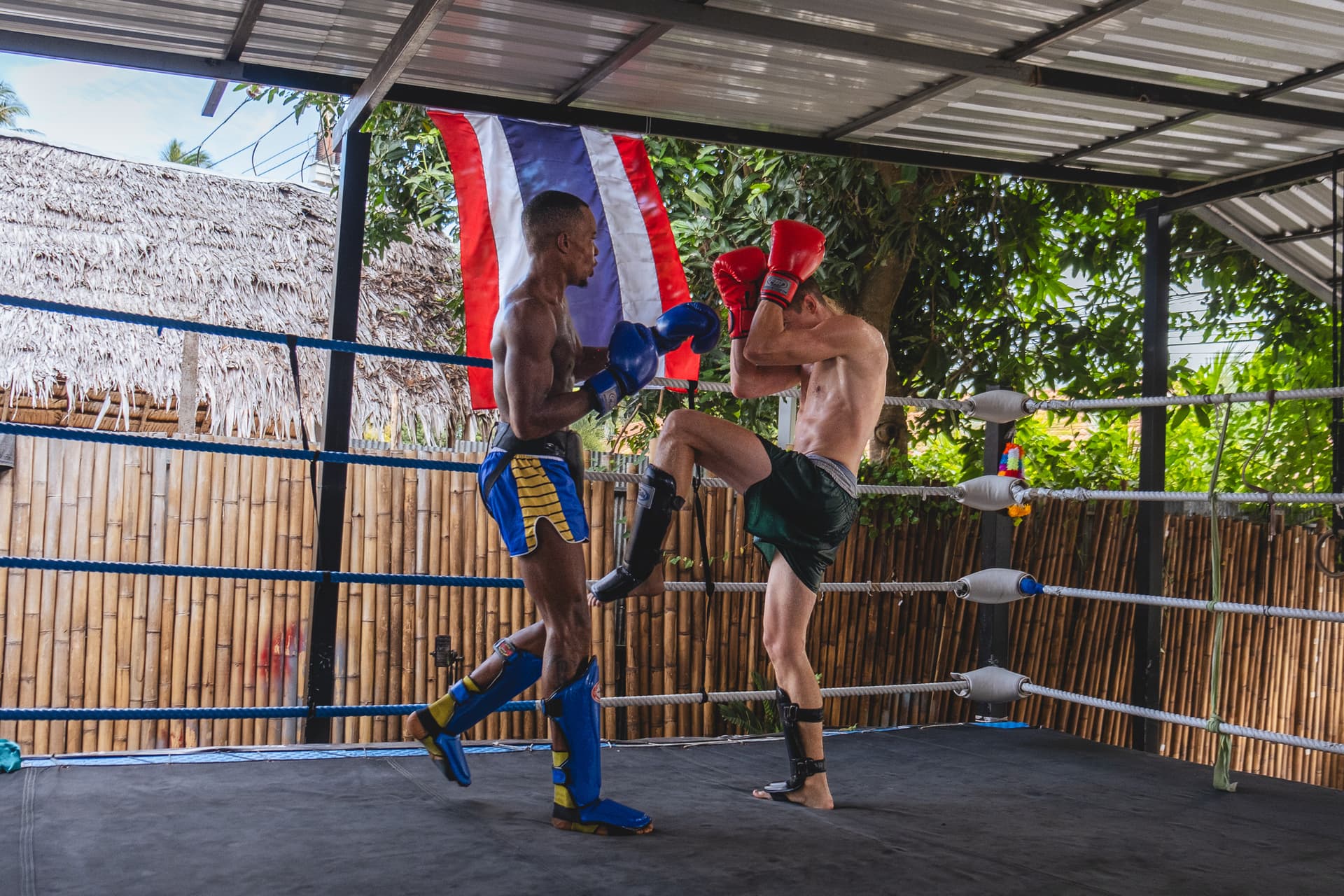
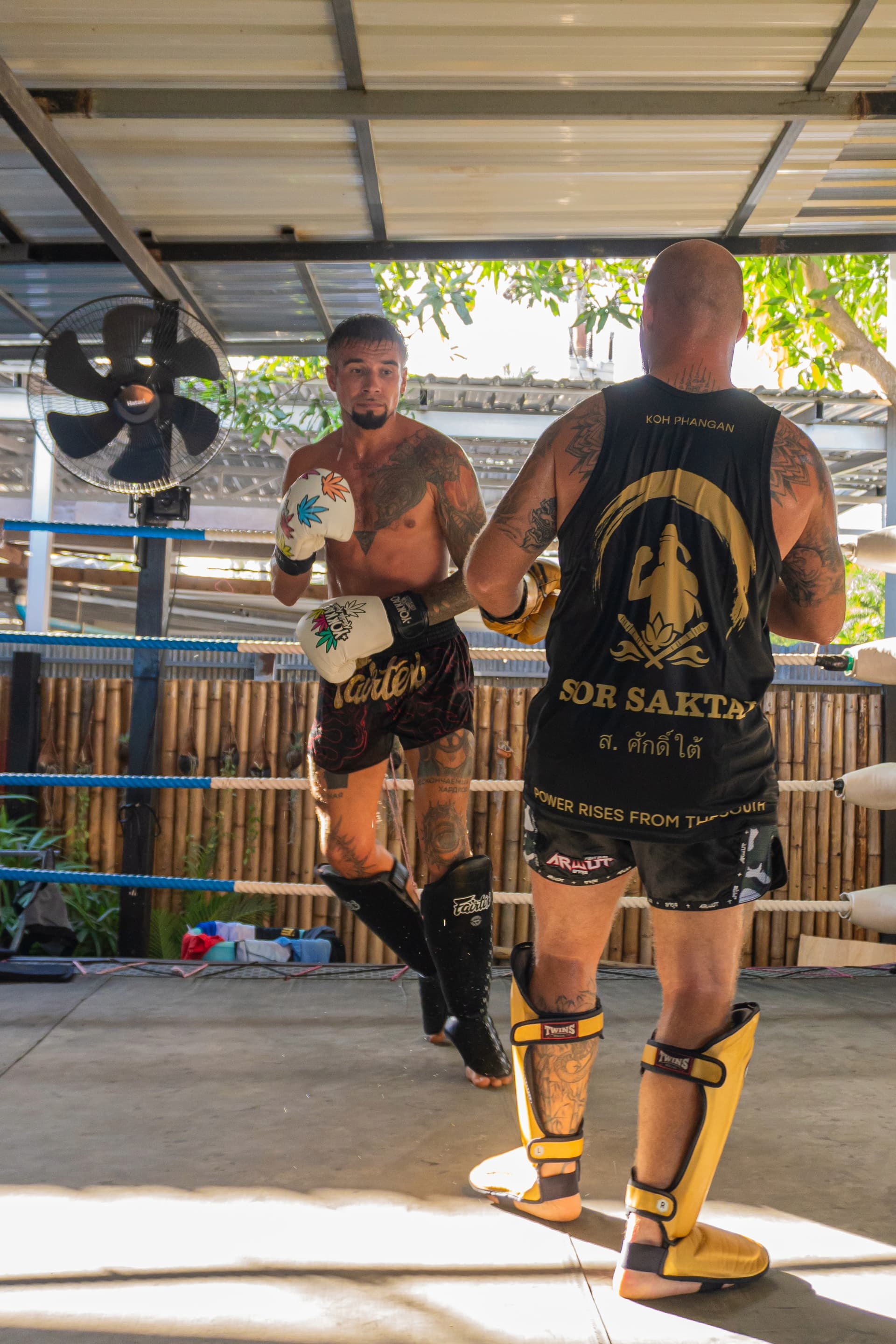
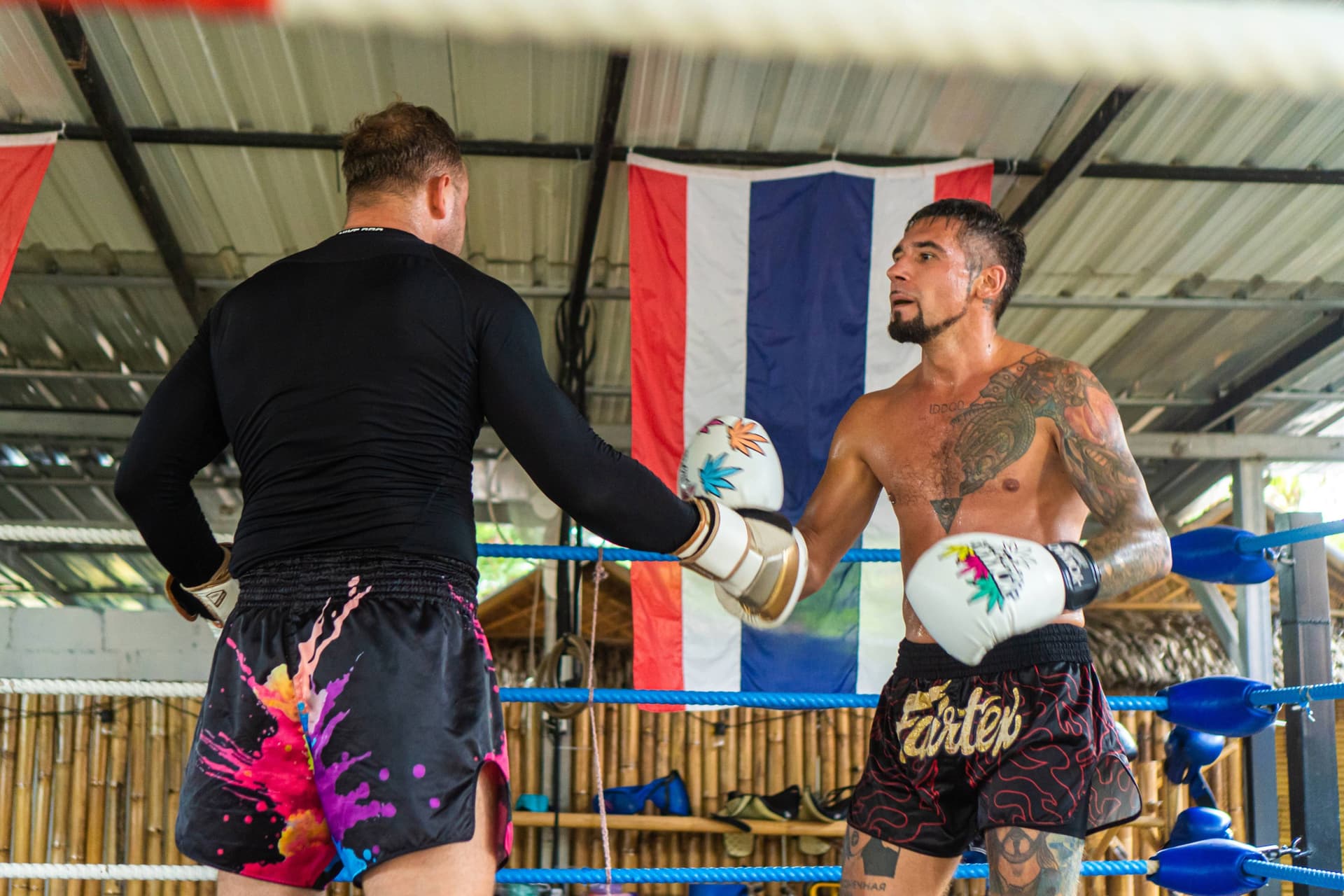
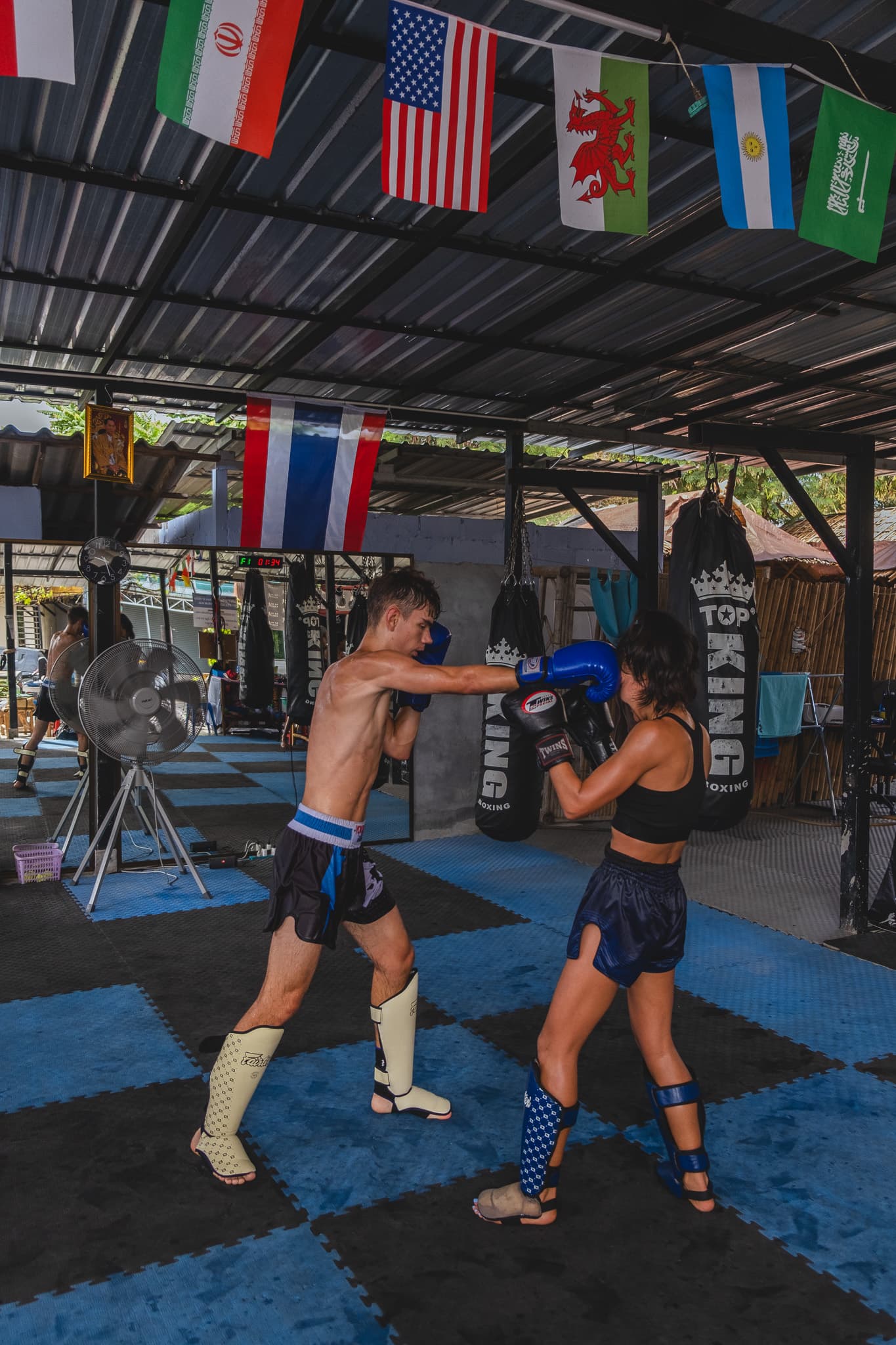
Technical sparring uses controlled power with a focus on learning, improving the timing, distance, accuracy and tactical application of your skills, and trying new weapons against resistance. Technical sparring should make up most of your sparring.
- Set an intention for what you want to work on.
- Maintain control while applying your techniques against resistance.
- Focus on timing, distance and accuracy rather than power.
- Try new skills that suit your fighting style before relying on them in a fight.
- Use situational sparring when you need to isolate and practise a specific problem.
For example, if you are a Muay Khao fighter who struggles to enter against kickers, ask your partner to work from the ropes using teeps and kicks while you practise closing the distance and entering the clinch. Your partner has a specific role, allowing you to repeatedly practise the situation you need to improve. Clinching can also be part of technical sparring. The same principle applies: work on position, balance, control, entries and knees without turning every exchange into a competition to dump or hurt your partner. Protect your partner while still practising the movements realistically.
Len Choeng — Play
Traditional Thai sparring can include len choeng (เล่นเชิง) — playing the art. Stay relaxed, playful and technical. Experiment, create reactions, try new weapons and learn from mistakes without turning the round into a fight. The objective is not necessarily to repeat predetermined techniques. You can explore different reactions and positions, try something that may not work and learn from what happens. This playful approach to technical sparring was an important part of the development of many Golden Age Thai fighters. Being relaxed does not mean that the round has no purpose. You are still developing timing, reactions, creativity and your ability to read another fighter.
Hard Sparring
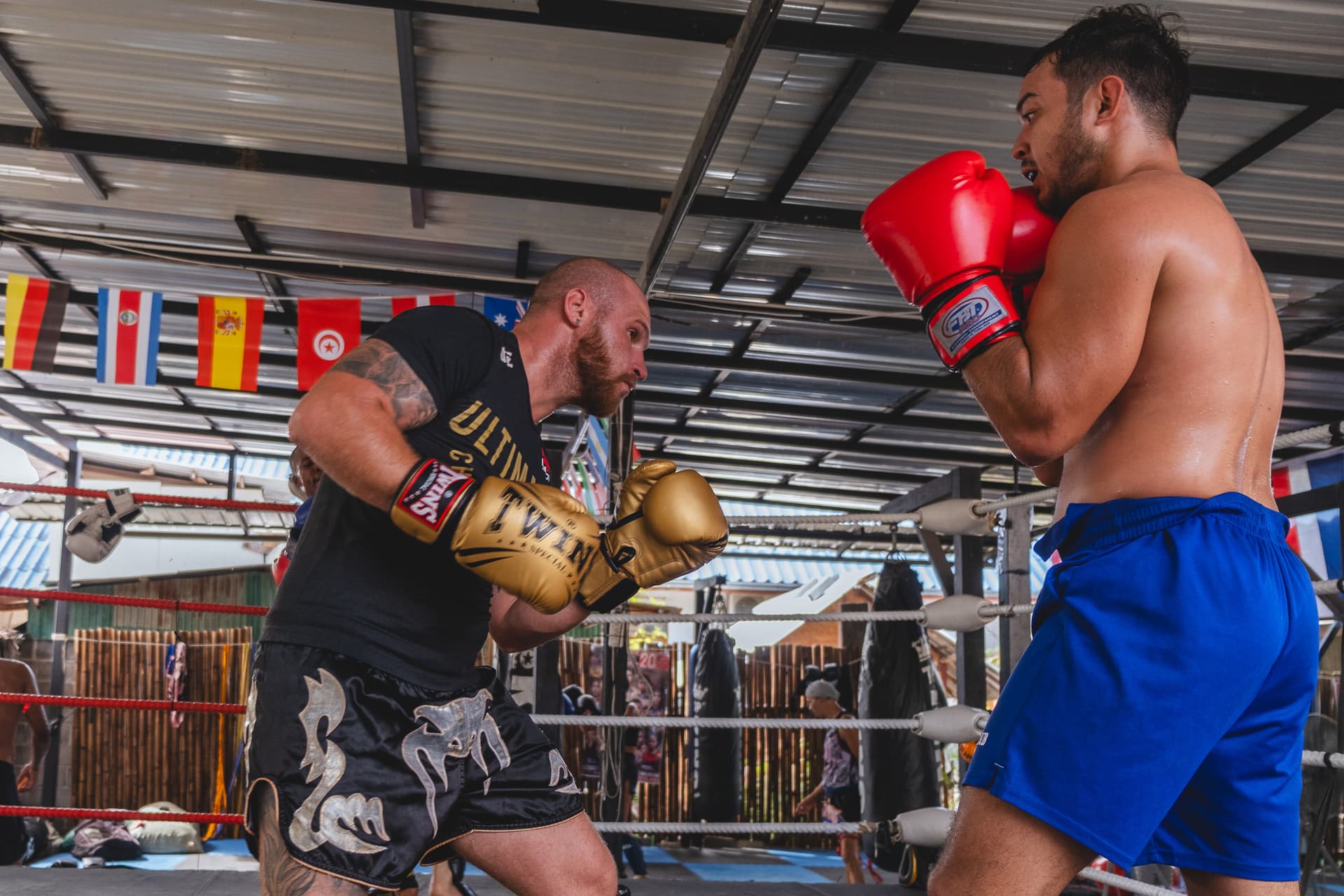
Hard sparring uses higher intensity and pressure to test your skills closer to real fight conditions. The intensity changes. The purpose does not.
- Maintain your fighting style and technical objective even under higher pressure.
- Increase intensity, not ego.
- Maintain control and technique.
- Agree on the intensity with your partner before the round.
- Adjust intensity when there is a significant difference in size or experience.
- Hard sparring does not mean trying to hurt your partner.
- Reduce sparring intensity as the fight gets close.
If higher intensity makes you abandon your fighting style, forget your objective and simply try to beat your partner, the sparring has stopped serving its intended purpose.
Muay Thai Sparring at Sor Saktai on Koh Phangan
At Sor Saktai Muay Thai gym on Koh Phangan, sparring is a planned part of fighter training. The focus is on improving rather than competing with teammates. Fighters work against different styles, sizes and levels while adjusting intensity to their partner and maintaining control. Technical sparring, situational work and controlled clinching give fighters opportunities to practise the skills they develop during the rest of the week against real resistance. Dedicated sparring only sessions are held:
- Wednesday — 8:00 AM
- Saturday — 4:00 PM
Learn to Train With Purpose
Sparring is only one part of becoming a better Muay Thai fighter. Pads, bag work, drills, clinching, sparring and physical preparation all have different purposes. The important thing is to understand why you are doing each part of your training and what you are trying to develop from it. This is the idea behind our upcoming Art of Training guide: understanding the purpose of different Muay Thai training methods and learning how to use them more effectively. If you want to train Muay Thai on Koh Phangan, explore our Muay Thai Training Packages. Fighters and advanced students who want to train in a fighter-focused environment can also learn more about Sor Saktai Muay Thai Gym.